
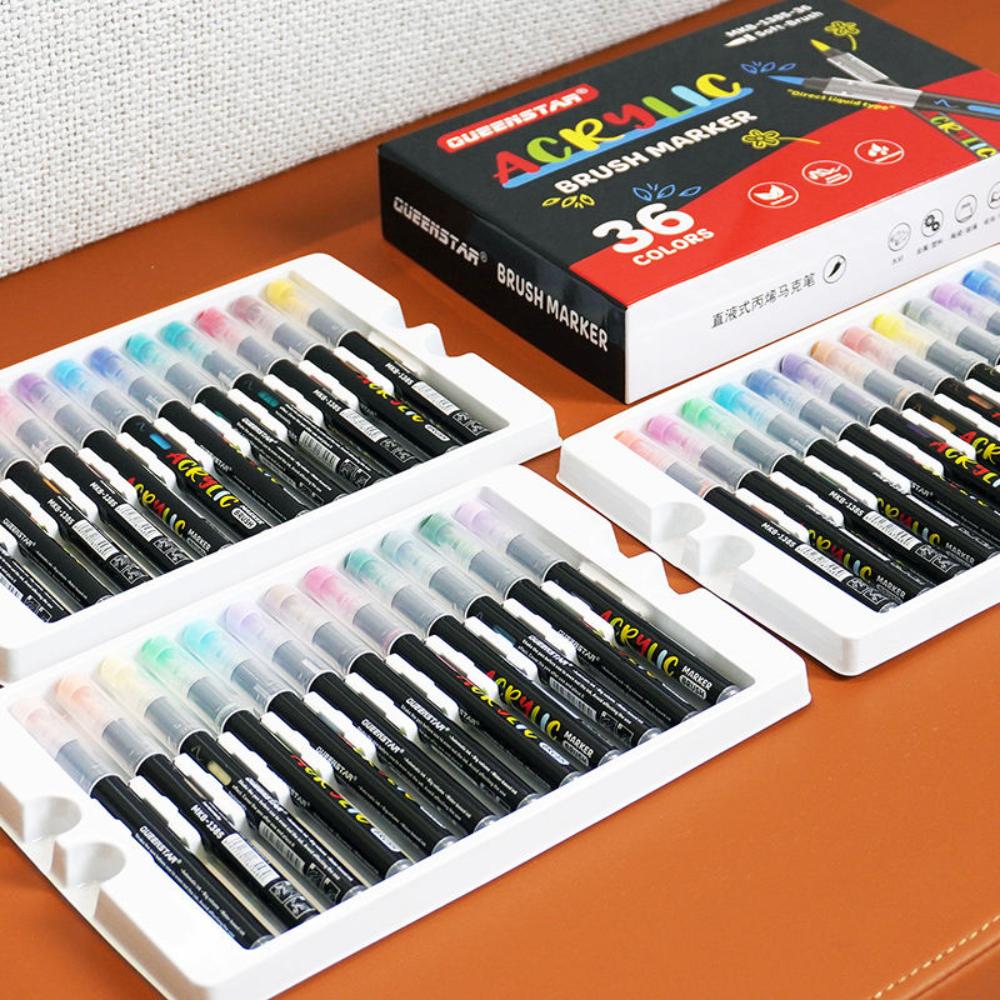
Acrylic Marker Samples: Use a Surface Test Record
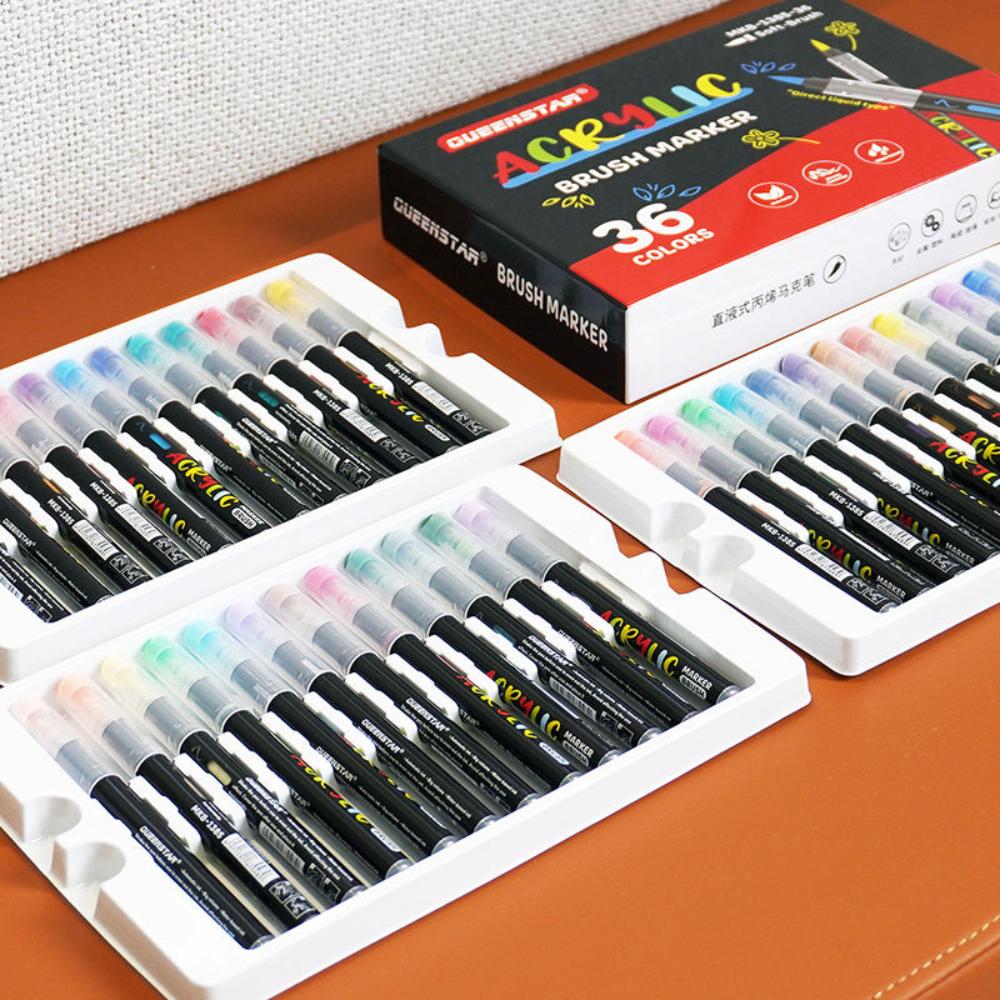
Approve acrylic marker samples against identified surfaces and written test conditions. Record the marker model, color code, substrate finish, application method, observation time and result for each trial. Keep a retained sample and photographs beside the signed record. A catalogue image or a successful mark on one material does not approve every intended surface.
A buyer sourcing wholesale acrylic markers may receive an attractive color assortment yet still lack the evidence needed for a particular craft kit. A painted wooden panel, a glazed tile and coated paper are different purchasing requirements. This guide turns those requirements into a traceable sample approval record, so the supplier and buyer can discuss the same physical trial.
1. Identify the exact sample before drawing
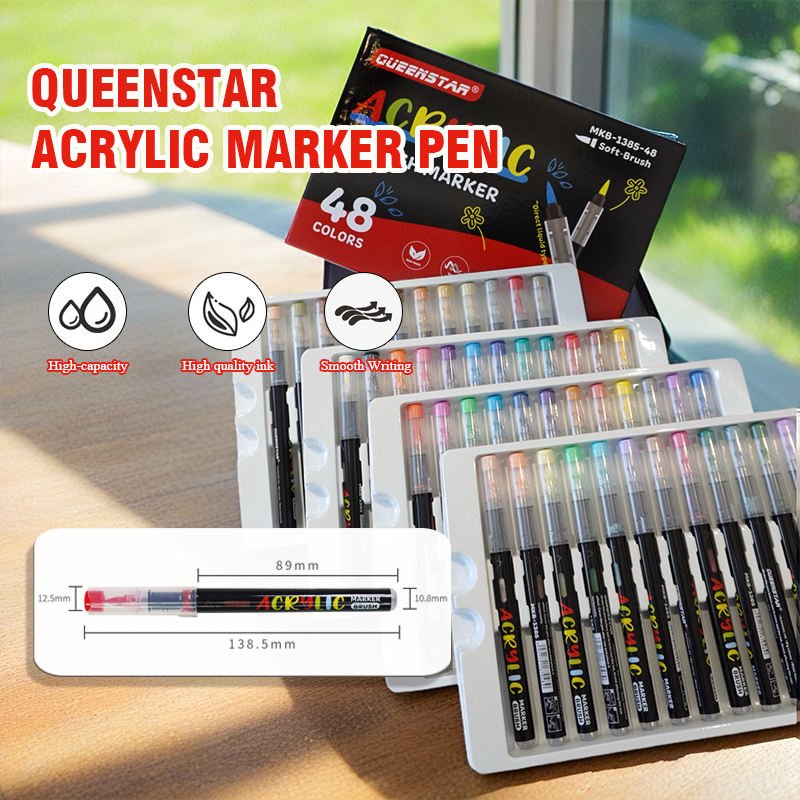
Start with a model reference and a dated sample label. The QS-1385 product page identifies an acrylic marker and lists dimensions of 138.5 × 10.8 mm. Its gallery shows several assortment presentations. Use that page to identify the enquiry, then ask the supplier which tip, color list and pack correspond to the sample being sent.
Assign every received pen a working color code, even if the printed barrel has only a color name. Photograph the cap, barrel and open tip together with that code. Do not treat the visible cap shade as a measured ink color. Keep the received date and sample batch reference in the same file so a later replacement can be identified.
- Model, sample batch and received date
- Color code linked to a physical pen
- Substrate ID and finish description
- Agreed method, interval and decision owner
2. Describe the surface precisely
Write the material and its finish on the test sheet. For wood, identify the actual supplied panel and whether a coating is present. For a ceramic item, distinguish the intended face from an unfinished reverse. Where the substrate supplier provides a specification, attach that document rather than replacing it with a broad label such as craft surface.
Choose test pieces from the buyer’s intended project and mark each with a specimen ID. Record any preparation used, including cleaning and drying, before applying ink. If more than one surface will be included in the retail kit, create separate rows. A useful comparison keeps the marker and method consistent while changing only the stated surface.
| Record field | Buyer entry | Evidence to keep |
|---|---|---|
| Sample identity | Model plus pen/color code | Barrel, cap and tip photograph |
| Surface definition | Material, coating and specimen ID | Supplier specification or labelled piece |
| Trial method | Preparation, passes and observation time | Dated method agreed by both parties |
| Decision scope | Accepted, revise or still open | Named reviewer and annotated result |
3. Agree the observations before the trial
Ask both parties to write down what they need to observe: line appearance, coverage of a reference area, tip control or transfer after a stated interval. Agree the interval and handling method before testing. These are proposed acceptance checks, not performance guarantees. If water exposure or abrasion matters, define a separate method and ask who will carry it out.
Use the same named color for the initial comparison and note the number of passes. Photograph the specimen under a consistent light with its ID visible. Record the result in words as well as a photograph. If a problem appears, describe its location and conditions instead of marking the whole assortment poor without supporting detail.
4. Separate appearance approval from claim evidence
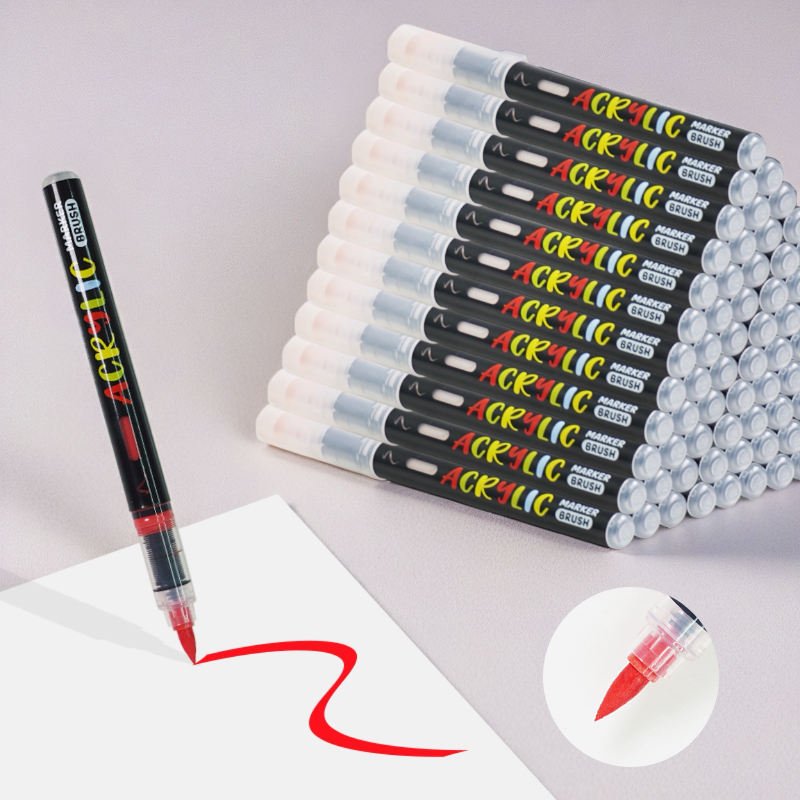
Catalogue photographs help identify a product presentation, but they cannot prove durability on the buyer’s material. Likewise, a pleasing brush stroke does not establish safety, compliance or suitability for a particular age group. Ask for the documents relevant to the intended market and exact product before adding such statements to packaging or a sales listing.
Give each decision a scope. A buyer might accept the sampled color arrangement while leaving surface results open. Record those decisions separately, including the person responsible and the evidence still required. Keep any unresolved requirement visible in the purchase file; a signed picture of the box should not silently close a technical question.
5. Turn the approved record into an order reference
Retain an unused marker and one accepted test piece with the final version of the sheet. Attach the approved color list and label artwork, using revision numbers that appear on the order. Ask the supplier to confirm whether the production specification will match that sample and to identify any proposed change before production approval.
For repeat orders, compare the current requirement with the retained record before copying it. A new surface supplier, revised coating or different color assortment may need a fresh review. Use the stationery buying guides for wider product context, while keeping this project’s acceptance decisions in its own dated file.
Frequently Asked Questions
Does an approval on paper cover wood too?
No. Record a separate trial on the intended wooden surface and identify any coating. Keep the earlier paper result as evidence only for that stated trial.
Can a cap color replace a swatch reference?
Use it to identify the pen, not to set an exact ink-color acceptance standard. Keep the labelled applied sample and agree how the buyer and supplier will compare it.
Do the photographs prove waterproof performance?
No. Photographs show the catalogue presentation. Ask for a defined test and suitable evidence if water resistance is an actual purchasing requirement.
What should accompany a repeat-order enquiry?
Send the model, current color list, retained sample reference, surface specification and any changed requirement. Ask the supplier to confirm the applicable revision before committing.
Send your model reference, surface specification and draft test sheet through the contact page to discuss sample scope. Explore the product catalogue to identify the marker family before requesting a sample.