
Whiteboard Marker RFQs: Define Each Color Quantity
A whiteboard marker RFQ should state the model, quantity of individual pens by color, requested inner pack and carton arrangement, artwork scope and sample reference. Ask the supplier to quote each defined option separately and identify exclusions. Reconcile all quantities to individual pens before comparing offers or confirming the order.
When buying wholesale whiteboard markers, a request for one thousand packs leaves room for different interpretations. One offer may refer to single-color boxes and another to mixed assortments. A practical RFQ removes this ambiguity before price discussion. The goal is a written quantity schedule that purchasing, packing and receiving teams can read in the same way.
1. Choose a model, then specify the color mix
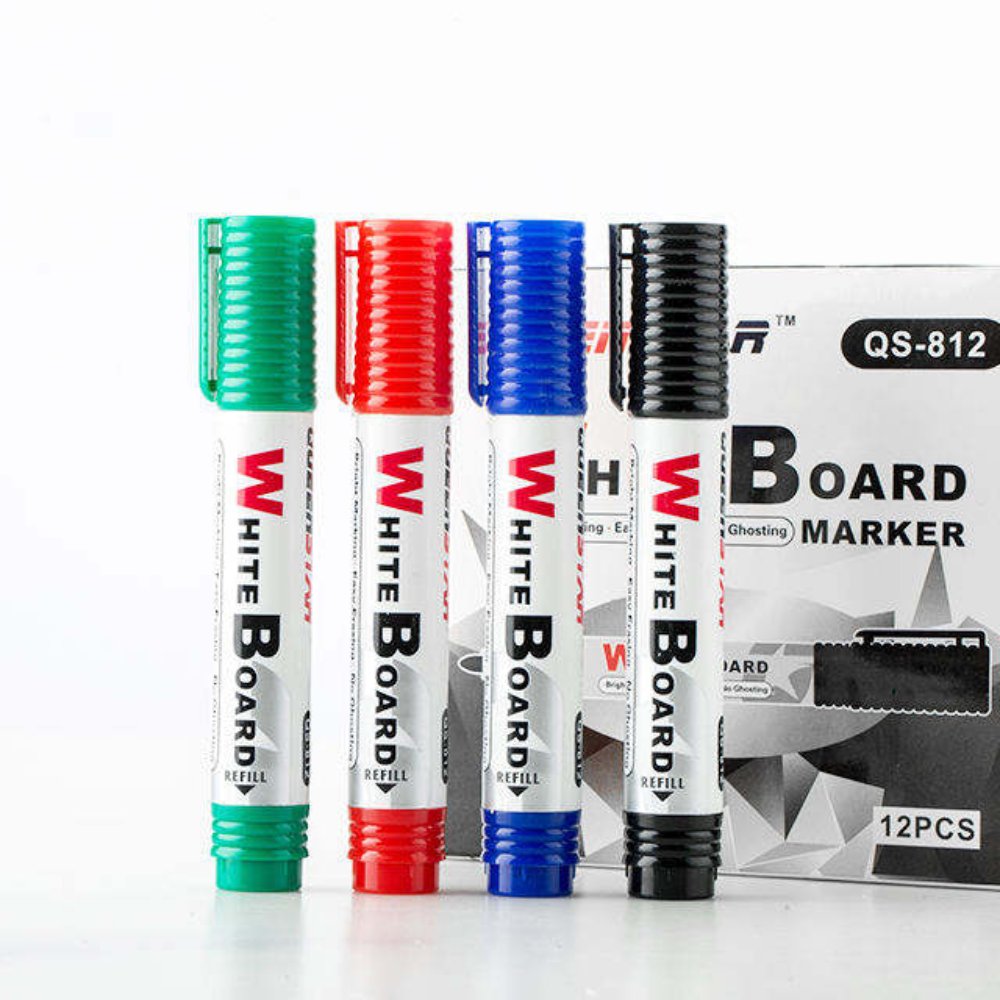
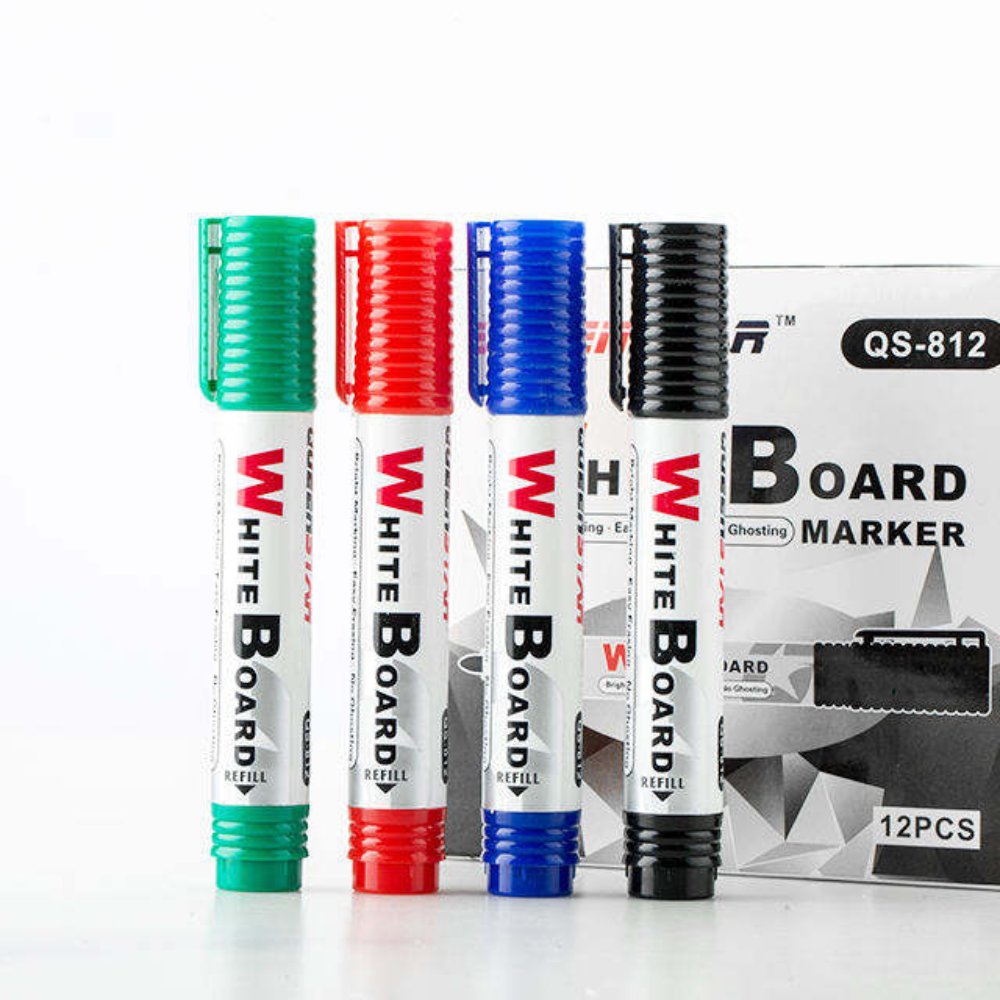
The QS-812 listing presents a whiteboard marker in black, red, blue and green. It lists a 125 × 18.5 mm size and shows a carton marked 12PCS. Those details identify a starting model, but the image alone does not establish the color allocation in each box or the packing arrangement for a custom enquiry.
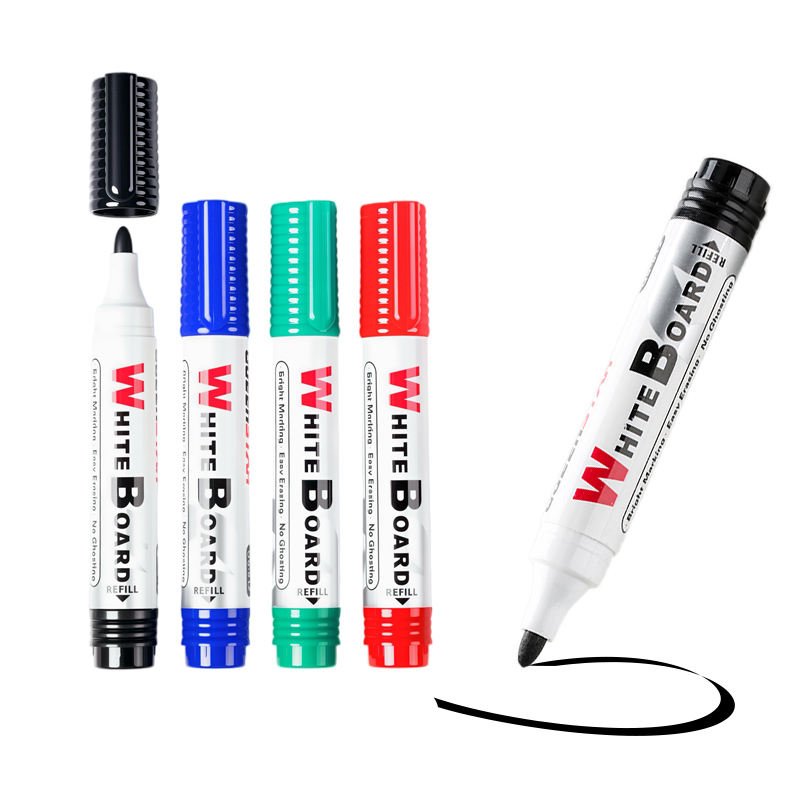
Write the required number of individual pens for every color. If the exact mix is undecided, request separate alternatives rather than combining them in one line. For example, name Option A and Option B and give each a complete color schedule. These are buyer-defined quotation scenarios, not claims that a particular option is available.
- Model and required color quantities in individual pens
- Inner pack definition and carton proposal
- Product printing and packaging artwork revisions
- Quote basis, exclusions and unresolved requirements
2. Reconcile pens, inner packs and cartons
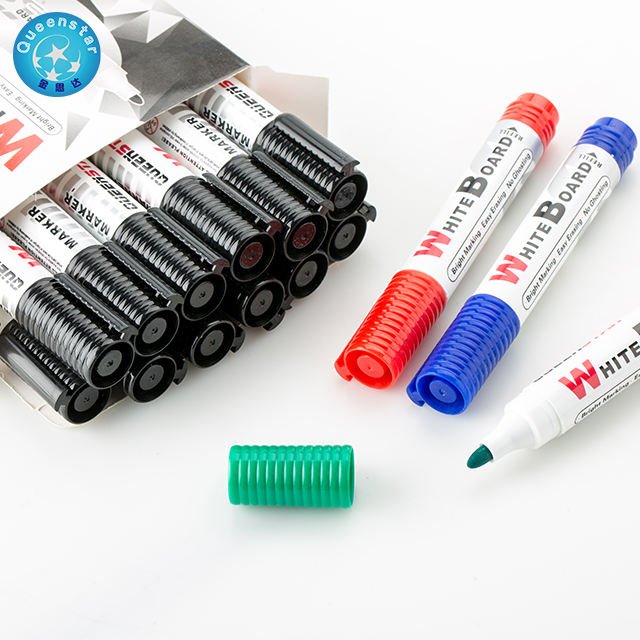
Use individual pens as the common unit. State whether an inner pack contains one color or a named assortment, and ask the supplier to confirm the proposed pack count. Keep the master carton arrangement as a separate field. Avoid using box for both an inner retail pack and a shipping carton; define the terms once in the RFQ.
Include a check showing that each color quantity and the overall total agree. If the supplier proposes a different pack multiple, request a revised schedule showing the effect on every color. Do not allow rounding to change the order quietly. The approved quantity schedule should be attached to the quotation and carried into the purchase order.
| RFQ field | Specify in the enquiry | Supplier response needed |
|---|---|---|
| Color schedule | Individual pen count for each named color | Confirm allocation or propose a labelled alternative |
| Inner pack | Single color or exact assortment | Pack quantity and any constraints |
| Master carton | Requested arrangement or open proposal | Confirmed contents and packing data |
| Artwork scope | Barrel, inner pack and carton files | Included work, approvals and exclusions |
| Commercial scope | Currency, destination and required date | Price basis, validity and feasible milestones |
3. Split product scope from printed packaging
List the standard product, any requested barrel printing and the requested packaging as separate scope items. Attach artwork files with revision numbers and indicate where a logo or code is intended to appear. Ask the supplier which parts are included in the offer and which need another quotation, tooling discussion or approval.
A photographed carton may carry claims or a refill reference that the buyer has not verified. Do not transfer that wording automatically to new artwork. Ask the supplier to confirm the exact product specification and supporting evidence for any proposed claim. Keep barcode assignment, label language and destination requirements under the buyer’s named review owner.
4. Request comparable commercial answers
Ask for a stated quotation currency, price basis, quantity basis and validity period. Have the supplier identify freight scope and any additional charges rather than assuming that all offers include the same services. Request the applicable minimum order and timing for the precise model, color mix and packaging; no fixed minimum or delivery promise follows from this guide.
Keep sample supply, artwork approval, production and shipping as separate milestones in the enquiry. Ask what information each milestone depends on and who must approve it. If a deadline matters, state the required destination date and ask for a written feasibility response. A requested date is not a confirmed manufacturing or arrival commitment.
5. Close open points before approving the order
Review the quote against the same RFQ revision and flag every blank field. A low unit price does not resolve an unspecified color mix or missing carton scope. Send one consolidated clarification sheet so the supplier can return a revised offer without leaving decisions scattered across messages. Keep the original and revised documents together.
Once the scope is agreed, link it to the approved physical sample and any board-specific evaluation record. The existing office marker selection guide provides wider selection context. This RFQ schedule serves a different purpose: it defines what is being quoted, packed and counted.
Frequently Asked Questions
Does the 12PCS photo define a mixed-color box?
No. It shows a catalogue pack reference. Ask for written confirmation of the contents and colors in the pack being quoted.
Should I compare prices per box?
First convert each offer to the same number of individual pens and the same scope. Different box sizes or included printing can otherwise hide a material difference.
Can I assume the printed refill reference is sufficient?
No. Ask the supplier to confirm the applicable product and any refill system separately before including that feature in your own specification or artwork.
What if the supplier changes the requested mix?
Request a clearly identified alternative with a revised color and quantity schedule. Approve the change explicitly rather than treating it as the original RFQ.
Share the model, color schedule and artwork scope through the contact page for a defined enquiry. Use the product catalogue and buying guides to identify the right family before requesting comparable quotations.