
QS-Art Marker RFQs: Verify Display Slot Fit
Will a capped QS-Art marker fit the buyer’s display slot?
Ask Jinsida to mark the endpoints behind the listed 160 × 15 mm and then check a capped sample in the intended display slot. The QS-Art Marker Pen listing gives that dimensional pair and describes a dual-tip marker. It leaves the measuring points and cap condition open. Send the slot drawing or a sample of the actual fixture and request evidence of insertion, the seated position and removal. Tie the trial to the pen version on the quote and the revision of the buyer’s fixture.
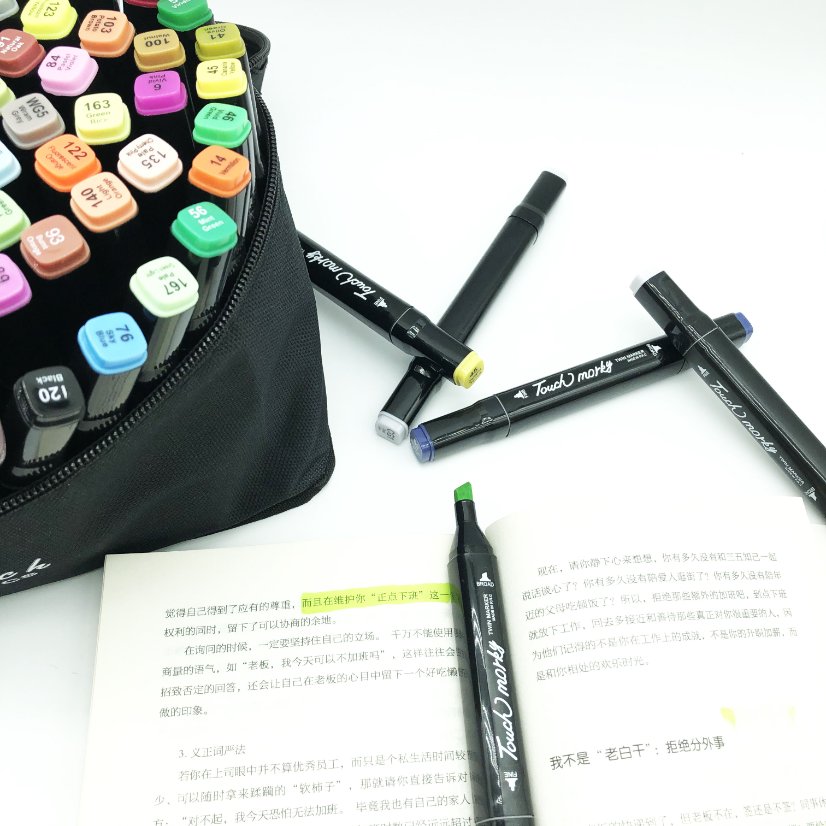
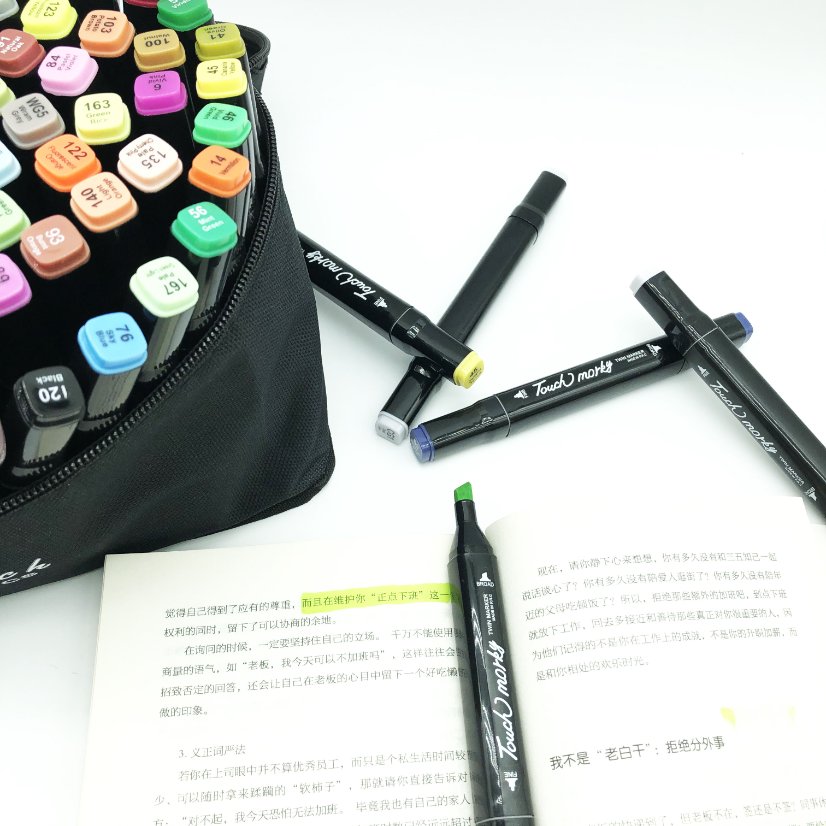
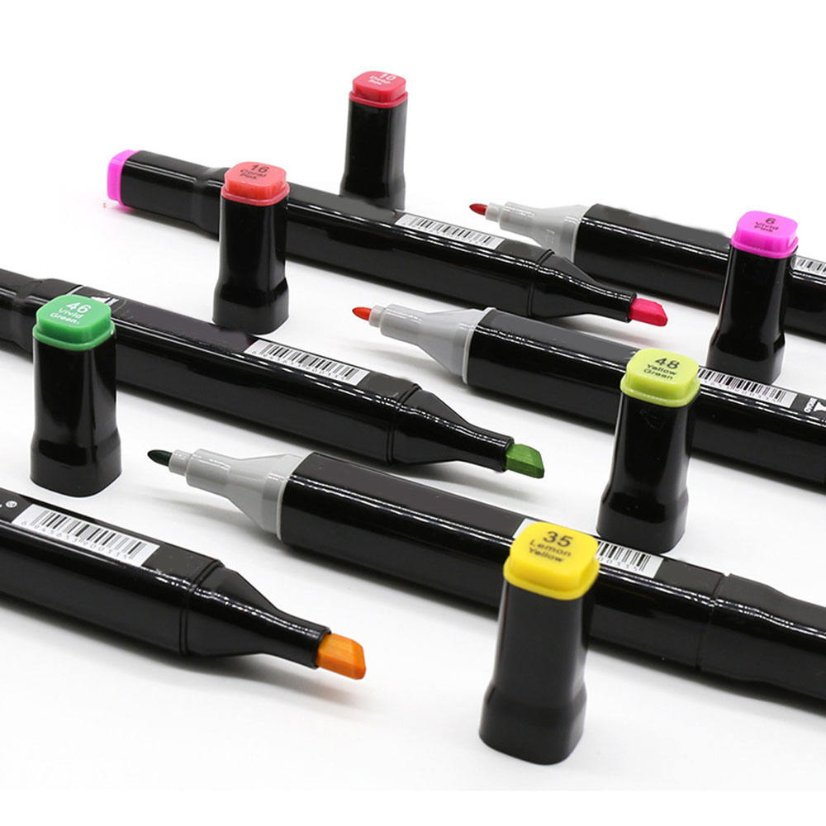
A dimension from the catalogue can start the conversation. The retail fixture needs a more specific answer because the marker may enter through a narrower point than the space where it rests. The photos show markers with squared-looking cap ends and shaped bodies. Ask the supplier to identify the widest points of the capped sample instead of treating the printed 15 mm as a confirmed slot requirement.
Request the marker dimensions in the display condition
Start by asking how the catalogue dimensions were taken. Have the supplier mark the two endpoints for the length and show where the crosswise measurement was taken. Ask whether both caps were fitted in that measurement. For a marker that will be displayed with both caps on, request the outside length and the widest points of the complete capped sample. Keep the supplier’s product reference and the quotation line with the marked image.
For a non-round profile, a single measurement across the sample may describe one orientation. Ask the supplier to show the relevant spans for the orientation the fixture will use. If the cap edges or another part extend beyond the body in that position, ask for those points to be identified. The buyer can then compare the measured shape with the narrowest part of the slot. If the supplier says different quoted pen variants share one profile, ask it to identify which variants that statement covers.
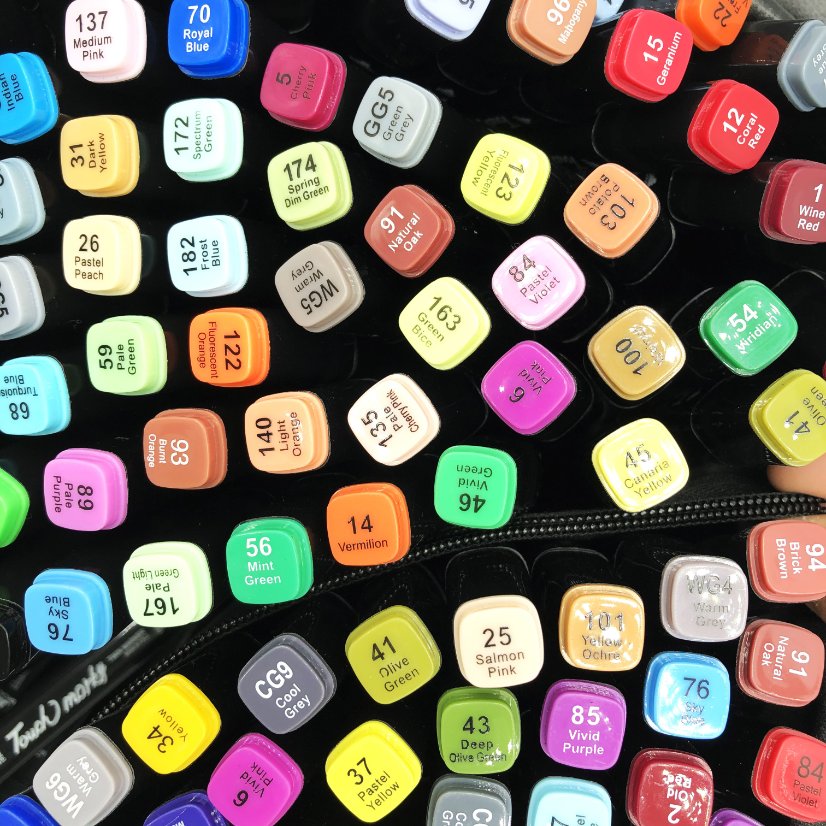
The supplier’s gallery shows a group of markers arranged in a zip case. Use the photograph as context when describing the orientation you want to see. If a case or tray is part of your commercial inquiry, ask the supplier to identify it separately and say whether it is included. The fixture used in the fit trial should be the one specified for the buyer’s project.
Give the supplier an actual slot to check
Send a marked drawing or physical sample of the display. Identify where the marker enters, which side should face the customer and how far the pen is expected to sit inside. Indicate whether the fixture has a smaller opening near its rim or an internal support that affects where the pen stops. If the buyer wants the cap end to stay visible for colour identification, mark the viewing side and ask the supplier to show the sample seated in that orientation.
Ask for photos or a short video showing the capped marker before it enters, in the intended resting position and during removal. A final photo can show what the display looks like after loading. The insertion and removal views can show whether the buyer’s chosen orientation is practical. If the supplier uses a different orientation or rotates the sample to enter the slot, have it describe that step in the result. The buyer can decide whether that suits the planned retail use.
| RFQ field | Ask for this evidence | Record for approval |
|---|---|---|
| Catalogue dimensions | Marked endpoints and cap condition behind 160 × 15 mm. | Supplier explanation for the quoted pen version. |
| Capped sample | Outside length and the relevant spans in the planned slot orientation. | Marked image and identified sample. |
| Fixture reference | Slot revision and confirmation of the entry and resting positions used for the check. | Buyer drawing or physical fixture ID. |
| Insertion and removal | Sequence showing entry, seated position and removal of the same capped pen. | Trial result with any adjustment described. |
Keep the fit decision tied to both revisions
Give the supplier a simple form with a field for the pen version and one for the display version. Attach the relevant catalogue image for identification, then ask it to cite its sample or drawing on each measured row. If the pen body, cap or display slot changes, send the new reference and ask whether the earlier trial still applies. This prevents a display buyer from carrying an approval to a shape it has never checked.
- State whether the marker will be displayed with both caps fitted.
- Mark the buyer’s slot opening, orientation and desired seated position.
- File the supplier’s dimension evidence and fit result with the quotation.
Send the setup to the Jinsida contact team with the exact product link. Ask for separate dimensional and sample-fit answers so your fixture designer can work from the drawing while the buyer retains the physical trial for approval.
Buyer FAQ
Should I cut the slot to 15 mm?
Ask what the supplier measured and compare a capped sample with the intended opening before releasing the fixture drawing. The catalogue figure is an inquiry reference.
Can the supplier use a trial fixture?
Yes, if it identifies which drawing or physical sample the trial fixture represents. Record any difference that could affect loading or removal.
Does a photograph of the case establish the supplied pack?
Ask for the packing scope on the quotation. The photo helps show the product and its orientation, while the supplier’s written offer identifies any included case or tray.